How to Get Around in Italy: Trains, Taxis, Rental Cars, and Private Drivers
Once you know where you're going and where you're sleeping, the next question is how you're getting from one place to the next. And this is where a lot of first-time Italy plans fall apart, because getting around in Italy works a little differently than it does at home. The trains are fantastic, the taxis have their own rules, the Uber app you rely on in the US barely exists there, and driving comes with a few surprises that can show up in your mailbox months after you get home.
Here's how to get around in Italy without the stress, and when each option makes the most sense.
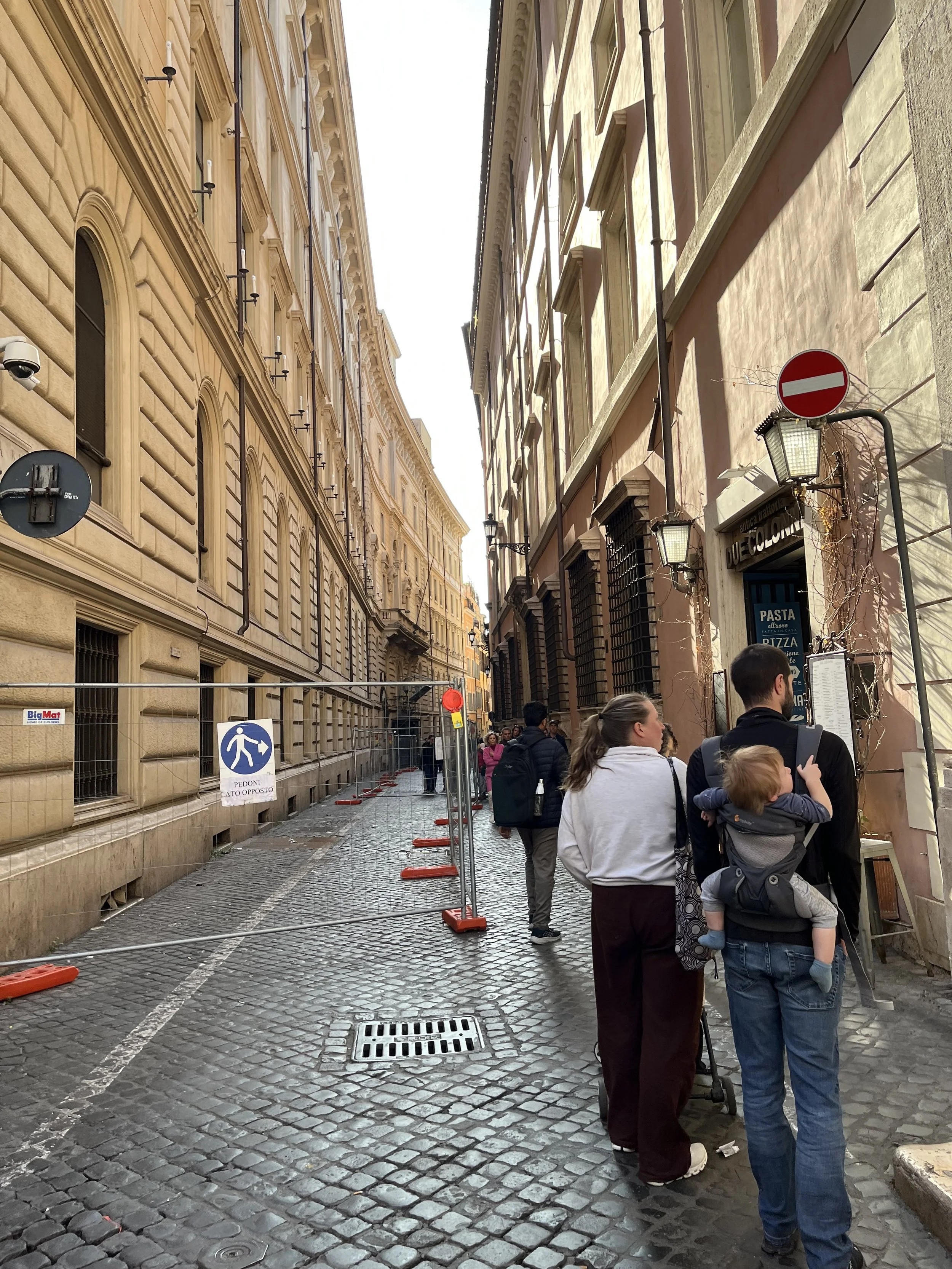
Walking the streets of Rome
High-Speed Trains vs. Regional Trains
For most trips, trains are the easiest way to get between cities in Italy. But there are two very different kinds, and knowing which one you're on saves a lot of confusion.
High-speed trains
These are the fast, comfortable trains that connect the big cities, like Rome to Florence, Florence to Venice, and Rome to Naples. They're run by two companies, Trenitalia (whose high-speed trains are called Frecciarossa) and Italo, and both are great.
Assigned seats: your ticket comes with a reserved seat, so there's no scrambling to sit together.
Book ahead for better fares: prices go up as the train fills, so booking a few weeks out usually saves money.
Room for luggage: there are racks at the end of each car and above the seats, though space fills up fast, so board early if you have big suitcases.
Fast: Rome to Florence takes about an hour and a half, which is quicker than driving and a whole lot more relaxing.
Regional trains
Regional trains are slower and simpler, and they're how you get to smaller towns and places like Pompeii, Cinque Terre, and many spots in Tuscany.
No assigned seats: you sit wherever there's room, so during busy times you may end up standing for a stretch.
Fixed prices: the fare is the same whether you buy it a month ahead or that morning.
Validate your ticket: this is the big one. Paper regional tickets have to be stamped in the little machines on the platform before you board, and digital tickets often need to be checked in on the app. Conductors can and do fine travelers who forget.
Expect a little chaos: platform changes and delays happen, so give yourself extra time and keep an eye on the departure board.
One more tip: train strikes (called a sciopero) happen a few times a year and are usually announced ahead of time. It's worth checking before a travel day so you're not caught off guard.
Taking a taxi from the airport to the city centre
Taxis vs. Ride-Share
If you're used to opening an app and having an affordable ride show up in five minutes, Italy is going to feel different.
Uber in Italy
Uber does work in some big cities like Rome and Milan, but not the version you know. In Italy it only offers its premium black-car service, so there's no UberX, and you'll usually pay noticeably more than a regular taxi. It can be handy for an airport run when you want a guaranteed pickup, but it's not an everyday way to get around.
Taxis
Taxis are the go-to option in Italian cities, with a few rules that surprise most Americans.
You usually can't wave one down: head to a taxi stand (there are plenty near train stations and major piazzas) or book through an app. FREENOW and itTaxi both work in many cities.
Only use official taxis: in Rome they're white with a taxi sign on the roof and a license number on the door. Skip anyone who approaches you inside the airport offering a ride.
Airport flat fares: Rome has fixed fares between its airports and the historic center, so confirm the price with the driver before you leave.
The meter starts when they're called: if you book a taxi to come get you, the meter often starts running from when the driver heads your way, so don't be surprised if it's not at zero when you get in.
In the cities themselves, though, the best way to get around is usually on foot. Rome, Florence, and Venice are all made for walking, and you'll see more that way anyway.
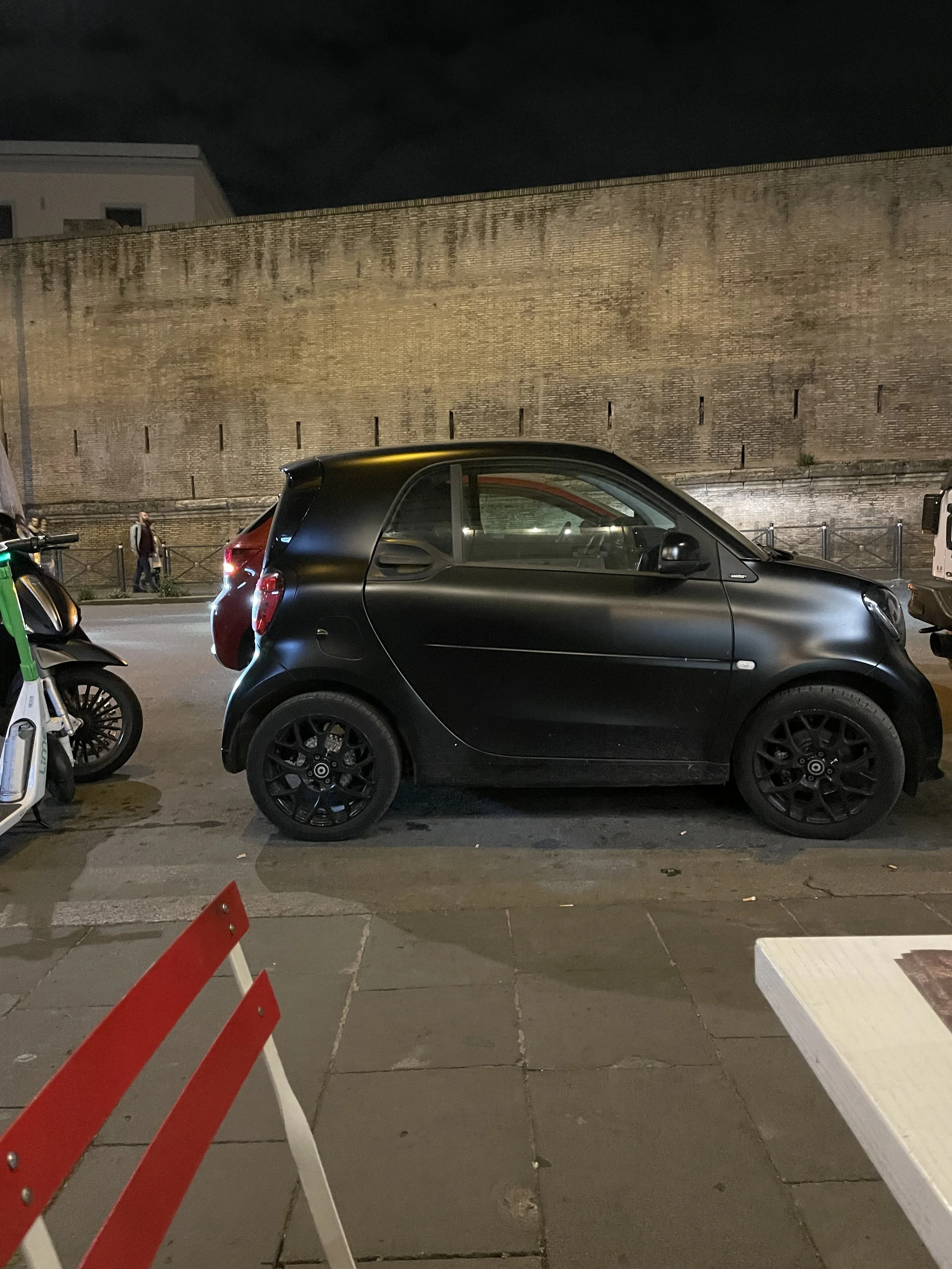
Should You Rent a Car in Italy?
For the big cities, my answer is almost always no. For the countryside, it can be wonderful. Driving through Tuscany with no schedule, stopping at a winery or a hilltop town whenever you feel like it, is one of the best ways to experience that region. But driving in Italy comes with nuances that catch a lot of Americans off guard.
What you need to know before you drive
You need an International Driving Permit: people often call it an international license, but it's actually a permit that translates your US license. Italy requires it along with your regular license, and you can get one through AAA before you leave. The rental counter may not ask for it, but the police will if you're pulled over.
Restricted driving zones (ZTL): most historic city centers, including Florence, Rome, Siena, and many small towns, have zones that only residents can drive into. They're watched by cameras, and if you drive in, the fine shows up by mail months later, often with an extra fee from the rental company. Your GPS will happily route you straight through one.
Manual is the default: most rental cars in Italy are stick shift. Automatics are available, but they cost more and run out, so book early if you need one.
Smaller cars, smaller roads: that SUV you'd rent at home will not fit down a Tuscan village street, so go as small as your group and luggage allow.
Tolls and speed cameras: the main highways (the autostrada) have tolls, and speed cameras are common, so watch the limits closely.
Parking lines mean something: blue lines are paid parking, white lines are usually free, and yellow lines are reserved, often for residents.
Gas stations have two lanes: "fai da te" is self-service and cheaper, while "servito" means someone pumps it for you at a higher price.
If you do rent, my favorite approach is to take the train to the edge of the countryside, pick up the car there, use it for your days in Tuscany or Puglia, and return it before you head back into a city. You get the freedom of a car without ever having to drive in Rome traffic.
Hiring a Private Driver
A private driver costs more than a train or rental car, but there are a few situations where it's worth every penny.
The Amalfi Coast: getting from Naples or Rome to Positano with luggage is a lot easier when someone else is handling the cliffside curves.
Wine country days: a driver for a day of tastings in Tuscany means nobody has to be the designated driver.
Multigenerational and group trips: with grandparents, kids, and a pile of suitcases, door-to-door service saves a lot of energy (and a lot of patience).
Late or early arrivals: after an overnight flight, having someone waiting with your name on a sign is a really nice way to start a trip.
For bigger groups, a private van can come out surprisingly close to the cost of train tickets plus taxis on each end, so it's worth pricing out.

Amalfi Coast Ferry from Sorrento to Capri
Venice and the Coast: Getting Around by Water
Some parts of Italy need their own plan. Venice has no cars at all, so you'll get around on foot, by the vaporetto (the water bus), or by water taxi, which is pricier but can take you right to your hotel's door. On the Amalfi Coast, Lake Como, and in Cinque Terre, ferries are often faster and more scenic than the roads, though schedules shrink outside of the main season.
My Quick Rules for Getting Around Italy
Take the high-speed train between big cities
Walk everywhere you can
Use official taxis, not Uber, for short rides
Only rent a car for the countryside, and get your International Driving Permit before you go
Hire a driver for the Amalfi Coast, wine days, and groups
Getting Around Italy Doesn't Have to Be the Hard Part
Transportation is the piece that quietly makes or breaks an Italy trip. When it's planned well, you barely think about it, and when it isn't, you remember the stressful train station far longer than the beautiful view at the end of the ride.
